DEWALT or Makita? Rotary Hammers Compared in 2026
As an Amazon Associate we earn from qualifying purchases. Links on this page are affiliate links.
This DEWALT vs makita rotary hammer comparison looks at two cordless options for drilling into concrete. Both tools are bare units that require a separate battery. They share SDS bit systems and three operating modes. The main difference lies in their power sources and physical design. One uses a 20V MAX platform with active vibration control. The other relies on an 18V LXT system with a torque-limiting clutch. Each approach offers distinct handling characteristics for your specific job site needs.
Key differences
| Aspect | DEWALT 20V MAX SDS Cordless Rotary Hammer | Makita 18V LXT 7/8-Inch SDS-Plus Rotary Hammer |
|---|---|---|
| Voltage | 20V MAX | 18V LXT |
| Impact Energy | 2.1 Joules | not listed |
| Weight | 6.4 lbs. | 7.38 lbs. |
| RPM | not listed | 0-1,200 |
| BPM | not listed | 0-4,000 |
| Special Features | SHOCKS Vibration Control | Torque Limiting Clutch |
Which one should you choose?
Choose DEWALT 20V MAX SDS Cordless Rotary Hammer if
- You prioritize lower weight for overhead work like rod hanging.
- You want active vibration control to reduce fatigue at the handles.
- You are already invested in the 20V MAX battery platform.
Choose Makita 18V LXT 7/8-Inch SDS-Plus Rotary Hammer if
- You need explicit control over rotation and hammering speeds.
- You want a torque-limiting clutch to protect gears from binding.
- You prefer the established 18V LXT ecosystem for power tools.
Verdict: Choose the DEWALT if you value a lighter tool with active vibration reduction for prolonged overhead use. Select the Makita if you prefer precise speed control and a clutch mechanism to prevent gear damage. Both are capable bare tools that fit into their respective brand ecosystems.
DEWALT vs Makita Rotary Hammers
Impact Energy
The DEWALT DCH273B delivers 2.1 Joules of impact energy. This metric measures the force of each hammer blow. Higher joules mean faster drilling in concrete. The Makita XRH04Z does not list impact energy in its published specifications. Without this number, you cannot directly compare the raw striking power. DEWALT provides a clear advantage here by quantifying its hammering strength. You get a specific value to judge performance against other tools.
Motor Type
DEWALT specifies a brushless motor in the DCH273B. Brushless motors generally offer better efficiency and longer runtime than brushed alternatives. The Makita XRH04Z description mentions a variable speed motor but does not explicitly state it is brushless. This omission makes a direct comparison difficult. You cannot confirm if Makita uses modern brushless technology. DEWALT has the edge due to the explicit specification of a brushless design.
Rotational Speed
Makita provides specific rotational speed data for the XRH04Z. It operates at 0-1,200 RPM. This tells you the maximum speed of the drill chuck. DEWALT does not list RPM in the provided key specs or features. You lack the data to compare drilling speeds directly. Makita gives you more detail on rotational performance. This clarity helps you estimate how fast you can drill holes in various materials.
Weight
Weight affects fatigue during overhead or extended use. The DEWALT DCH273B weighs 6.4 lbs. The Makita XRH04Z weighs 7.38 lbs. DEWALT is nearly one pound lighter. This difference may be noticeable when hanging rods or mounting cables. The lighter DEWALT tool reduces user strain. Makita is heavier, which might provide stability but increases fatigue. DEWALT wins this round for being the lighter option.
Vibration Control
DEWALT includes the SHOCKS ACTIVE VIBRATION CONTROL System. This feature reduces vibration felt at the handles. Makita mentions a shock absorbent handle to protect the battery housing. It does not specify a system for reducing user vibration. DEWALT actively addresses user comfort through vibration reduction technology. Makita focuses on tool durability instead. DEWALT offers a clearer benefit for operator comfort during prolonged use.
Choose Your Rotary Hammer
Concrete pros needing fast penetration
The DEWALT DCH273B delivers 2.1 Joules of impact energy. This metric measures the force of each hammer blow. Higher joules mean faster drilling in concrete. The Makita XRH04Z does not list impact energy in its published specifications. You get a known performance metric with the DEWALT for heavy concrete work.
Users prioritizing vibration reduction
The DEWALT DCH273B features SHOCKS ACTIVE VIBRATION CONTROL. This system reduces vibration felt by the user at the handles. This is a specific feature not listed for the Makita XRH04Z. If you work for long periods, this vibration control helps reduce fatigue compared to standard rotary hammers.
Those needing large bit capacity
The Makita XRH04Z accepts 7/8-inch SDS-PLUS bits. This chuck size allows for larger diameter holes than standard SDS tools. The DEWALT DCH273B lists an SDS system but does not specify a 7/8-inch capacity. You should choose the Makita if your projects require drilling larger holes in masonry.
Light duty and precision work
The DEWALT DCH273B weighs 6.4 lbs. This is lighter than the Makita XRH04Z at 7.38 lbs. The DEWALT also has a compact length of 13 inches. The Makita is 18 inches long. You should pick the DEWALT for overhead tasks or tight spaces where weight and size matter more.
The products compared
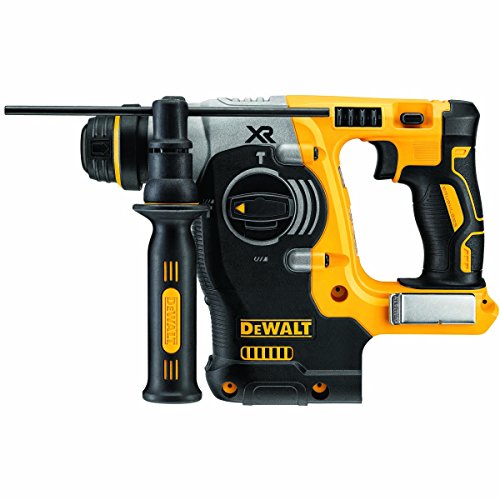
DEWALT 20V MAX SDS Cordless Rotary Hammer
Best for: users with existing 20V MAX batteries
- Power Source
- Cordless, 20V MAX
- Impact Energy
- 2.1 Joules
- Bit System
- SDS
- Motor Type
- Brushless
- Operating Modes
- 3 modes: Drill, Hammer Drill, Chip
- Battery Included
- No (bare tool only)
View on Amazon: DEWALT 20V MAX SDS Cordless Rotary Hammer Affiliate link
This cordless rotary hammer delivers 2.1 Joules of impact energy for fast concrete drilling. The brushless motor and durable German-engineered mechanism provide efficient performance. SHOCKS ACTIVE VIBRATION CONTROL reduces handle vibration for better comfort. It offers three application modes: Drill, Hammer Drill, and Chip. The lightweight 6.4 lbs design aids in overhead tasks. It is a bare tool, so you need a compatible battery.
Pros
- 2.1 Joules of impact energy for concrete
- SHOCKS ACTIVE VIBRATION CONTROL reduces user vibration
- Brushless motor for efficient runtime
- Three application modes: Drill, Hammer Drill, Chip
- Lightweight 6.4 lbs design
Cons
- Sold as a bare tool without battery
- Heavier than the Makita competitor
- Requires DWH303DH extractor for OSHA compliance
Good fit if
- You need vibration reduction for long overhead tasks
- You already own DEWALT 20V MAX batteries
- You require three distinct application modes
Skip if
- You want a complete kit with batteries
- You prefer a lighter tool under 6 lbs
- You do not have a compatible battery source
Verdict: DEWALT 20V MAX Brushless Rotary Hammer suits pros who prioritize vibration control and already use the 20V MAX platform. It fits users doing repetitive overhead work where the extra weight is manageable.

Makita 18V LXT 7/8-Inch SDS-Plus Rotary Hammer
Best for: Makita users needing heavy-duty masonry drilling
- Power Source
- 18V
- Chuck Size
- 7/8"
- Bit System
- SDS-PLUS
- Operating Modes
- 3 modes
- Battery Included
- No (bare tool)
- Blows Per Minute
- 0-4,000 BPM
View on Amazon: Makita 18V LXT 7/8-Inch SDS-Plus Rotary Hammer Affiliate link
This Makita rotary hammer uses an 18V LXT battery and accepts SDS-PLUS bits. It delivers 0-1,200 RPM and 0-4,000 BPM. The tool features a three-mode operation for rotation, hammering, or both. It includes a torque-limiting clutch to protect gears. The shock-absorbent handle safeguards the battery housing. You get the tool only, without a battery. It suits users needing durable, high-impact drilling in masonry.
Pros
- Variable speed motor reaches 0-1,200 RPM and 0-4,000 BPM
- Three-mode operation allows rotation only, hammering only, or both
- Torque-limiting clutch prevents gear damage from bit binding
- Shock-absorbent handle protects the battery housing
Cons
- Sold as a bare tool with no battery included
- Heavier at 7.38 lbs compared to some lighter competitors
- No mention of electronic controls or variable speed trigger
Good fit if
- You already own Makita 18V LXT batteries
- You need a dedicated rotary hammer for masonry work
- You value gear protection from torque-limiting clutches
Skip if
- You want a complete kit with batteries and charger
- You prefer a lighter tool under 6 lbs
- You need an SDS-Max bit system instead of SDS-PLUS
Verdict: Makita 18V LXT 7/8 in Rotary Hammer fits users who already have Makita batteries and need a robust tool for heavy masonry drilling. Its torque-limiting clutch and shock-absorbent handle make it a durable option for professional job sites.
Specifications side by side
| Spec | DEWALT 20V MAX SDS Cordless Rotary Hammer | Makita 18V LXT 7/8-Inch SDS-Plus Rotary Hammer |
|---|---|---|
| Power Source | Cordless, 20V MAX | 18V |
| Impact Energy | 2.1 Joules | not stated |
| Chuck Size | not stated | 7/8" |
| Bit System | SDS | SDS-PLUS |
| Motor Type | Brushless | not stated |
| Operating Modes | 3 modes: Drill, Hammer Drill, Chip | 3 modes |
| Battery Included | No (bare tool only) | No (bare tool) |
| Blows Per Minute | not stated | 0-4,000 BPM |
| Weight | 6.4 pounds | 7.39 pounds |
| Voltage | 20V | 18V |
| Included Tools | Drill Driver, Hammer Drill, Rotary Hammer | Rotary Hammer |
| Bit Type | not stated | SDS-Plus |
| Dimensions | 13 × 4.2 × 8.6 inches | 18 × 4 × 9 inches |
| Size | One Size | One Size |
| Color | Multi | Black and Blue |
| Model | DCH273B | XRH04Z |
Frequently asked questions
Which rotary hammer is lighter for overhead work?
The DEWALT DCH273B is the lighter option at 6.4 pounds. The Makita XRH04Z weighs 7.38 pounds. You should choose the DEWALT model if you perform repetitive overhead drilling. The lower weight reduces fatigue during extended use. The Makita is slightly heavier but offers a robust build for heavy masonry tasks.
Does either tool include a battery in the box?
Neither tool includes a battery. Both the DEWALT DCH273B and the Makita XRH04Z are sold as bare tools. You must purchase a compatible battery separately to operate them. This design suits users who already own batteries from the respective 20V MAX or 18V LXT platforms.
What is the maximum drill hole size for the Makita?
The Makita XRH04Z is rated for a 7/8-inch maximum drill hole size. This specification indicates its capacity for heavy-duty masonry drilling. The DEWALT DCH273B does not list a maximum hole diameter in its published data. You should verify this limit for your specific concrete drilling needs.
Which platform is better for users with existing batteries?
The choice depends on your current battery ecosystem. The DEWALT DCH273B fits users with existing 20V MAX batteries. The Makita XRH04Z suits those with 18V LXT batteries. Both tools are bare units requiring separate power sources. Select the brand whose batteries you already own to avoid additional costs.
Are both tools cordless?
Yes, both rotary hammers are cordless. They operate on rechargeable lithium-ion batteries from their respective brands. This provides mobility on job sites without tethering to a power outlet. You need to ensure you have charged batteries available for continuous operation.
What is the length of the Makita rotary hammer?
The Makita XRH04Z has a length of 18 inches. This makes it longer than the DEWALT DCH273B, which is 13 inches long. The increased length may affect balance and reach in tight spaces. Consider your workspace constraints when choosing between the two models.