DEWALT vs RYOBI: Rotary Hammers Compared by Specs
As an Amazon Associate we earn from qualifying purchases. Links on this page are affiliate links.
When you compare the DEWALT vs RYOBI rotary hammer, you see two cordless options built for masonry work. Both tools feature brushless motors and SDS bit systems for durability. The DEWALT DCH273B offers higher impact energy at 2.1 Joules and includes vibration control. The RYOBI P223 uses an 18V platform and SDS-Plus chucks. You need to decide which power source and feature set fit your specific drilling needs.
Key differences
| Aspect | DEWALT 20V MAX SDS Cordless Rotary Hammer | RYOBI 18V Brushless 1-Inch SDS-Plus Rotary Hammer |
|---|---|---|
| Voltage | 20V MAX | 18V |
| Impact Energy | 2.1 Joules | not listed |
| Bit System | SDS | SDS-Plus |
| Weight | 6.4 lbs | 6.48 lbs |
| Vibration Control | SHOCKS Active Vibration Control | not listed |
Which one should you choose?
Choose DEWALT 20V MAX SDS Cordless Rotary Hammer if
- You need higher impact energy for fast concrete drilling
- You want active vibration reduction for comfort
- You already use DEWALT 20V MAX batteries
Choose RYOBI 18V Brushless 1-Inch SDS-Plus Rotary Hammer if
- You prefer the RYOBI 18V battery ecosystem
- You need standard SDS-Plus bit compatibility
- You want a lightweight tool under 6.5 lbs
Verdict: Choose the DEWALT if you need more raw striking power and vibration management for tough jobs. Pick the RYOBI if you are invested in the 18V system and need a lightweight, standard SDS-Plus tool. Both are bare tools that require separate batteries.
DEWALT vs RYOBI Rotary Hammer Specs
Impact Energy
The DEWALT DCH273B delivers 2.1 Joules of impact energy. This specification indicates the force behind each hammer blow, which directly affects drilling speed in concrete. Higher joules generally mean faster penetration into masonry. The RYOBI ONE&HP model does not list its impact energy in the provided data. Without this figure, you cannot confirm if it matches or exceeds the DEWALT output. For heavy-duty concrete work, the stated 2.1 Joules gives the DEWALT a clear advantage. You get a measurable performance metric that ensures consistent drilling power.
Vibration Control
The DEWALT tool features SHOCKS ACTIVE VIBRATION CONTROL. This system reduces vibration felt by the user at the handles compared to rotary hammers without this feature. Reduced vibration helps reduce fatigue during long periods of overhead work or repetitive drilling. The RYOBI ONE&HP specifications do not mention any vibration control technology. You will need to check the manual or other sources to see if it has dampening features. The DEWALT offers a specific ergonomic benefit that the RYOBI data does not confirm.
Voltage Platform
The DEWALT DCH273B operates on the 20V MAX cordless platform. The RYOBI ONE&HP uses an 18V system. Higher voltage often correlates with sustained power under load, though brushless motors optimize efficiency in both cases. If you already own batteries for one brand, sticking with that ecosystem saves money. The DEWALT offers a slightly higher voltage rating. This may provide a marginal edge in runtime or torque consistency for demanding tasks. Your choice may depend on which battery pool you already have available.
Bit System
Both tools use SDS bit systems for quick bit changes and effective hammering. The DEWALT uses a standard SDS system. The RYOBI ONE&HP specifies SDS-Plus. SDS-Plus is the most common standard for rotary hammers in this class. Both systems accept the same range of drill bits for masonry work. The compatibility is effectively identical for general use. You can use the same bits in either tool. There is no practical difference in the bit interface for your daily drilling needs.
Weight
The DEWALT DCH273B weighs 6.4 pounds. The RYOBI ONE&HP weighs 6.48 pounds. The difference is only 0.08 pounds. This is negligible for hand-held operation. Both tools fall into a similar lightweight category for rotary hammers. You will not notice a difference in fatigue based on weight alone. The DEWALT is fractionally lighter, but the RYOBI is virtually identical. Neither tool offers a significant weight advantage. You can choose based on other features without worrying about balance or carry weight.
Choose Your Rotary Hammer Based on Specs
Users needing maximum concrete drilling speed
The DEWALT DCH273B delivers 2.1 Joules of impact energy. This higher force means faster penetration into hard masonry. If you drill many holes in concrete daily, this power advantage reduces your workload. The brushless motor ensures efficient runtime for heavy-duty tasks without compromising on speed or torque.
Professionals requiring vibration reduction for comfort
This tool includes SHOCKS ACTIVE VIBRATION CONTROL. This system reduces vibration at the handles compared to models without it. For long hours of overhead work or repetitive drilling, less vibration means less fatigue. The ergonomic design supports extended use while maintaining the necessary impact energy for effective masonry drilling.
Users on a tight 18V budget
The RYOBI ONE&HP model operates on an 18V platform. If you already own 18V batteries, this tool integrates seamlessly with your existing system. It features a brushless motor and SDS-Plus compatibility. This choice offers a practical entry point into rotary hammering without requiring investment in a higher voltage ecosystem.
The products compared
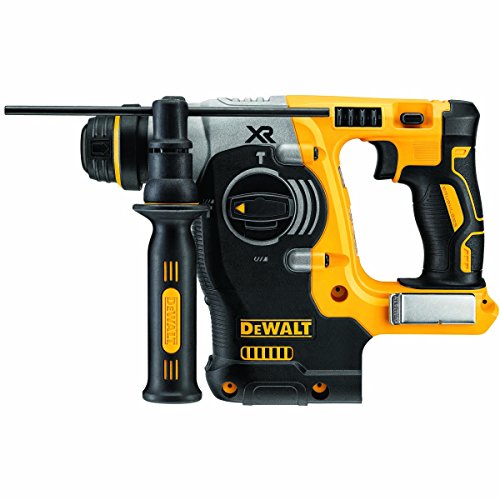
DEWALT 20V MAX SDS Cordless Rotary Hammer
Best for: Professionals with existing 20V batteries
- Power Source
- Cordless, 20V MAX
- Impact Energy
- 2.1 Joules
- Bit System
- SDS
- Motor Type
- Brushless
- Operating Modes
- 3 modes: Drill, Hammer Drill, Chip
- Battery Included
- No (bare tool only)
View on Amazon: DEWALT 20V MAX SDS Cordless Rotary Hammer Affiliate link
This DEWALT 20V MAX cordless rotary hammer delivers 2.1 Joules of impact energy for concrete drilling. It features a brushless motor and an SDS bit system. The tool includes three operating modes and SHOCKS ACTIVE VIBRATION CONTROL. You get a bare tool without batteries. It is designed for mounting tasks and rod hanging where vibration reduction matters.
Pros
- 2.1 Joules of impact energy
- Brushless motor for efficiency
- SHOCKS ACTIVE VIBRATION CONTROL
- Three application modes
Cons
- Bare tool only, no battery
- Heavier at 6.4 lbs
- No onboard dust extraction
Good fit if
- You need vibration reduction
- You already own 20V MAX batteries
- You mount hardware frequently
Skip if
- You want a complete kit
- You prefer lighter tools
- You need a hammer drill only
Verdict: DEWALT 20V SDS Rotary Hammer suits professionals who already have 20V MAX batteries and need vibration control for mounting work. It is not for those wanting a complete kit.
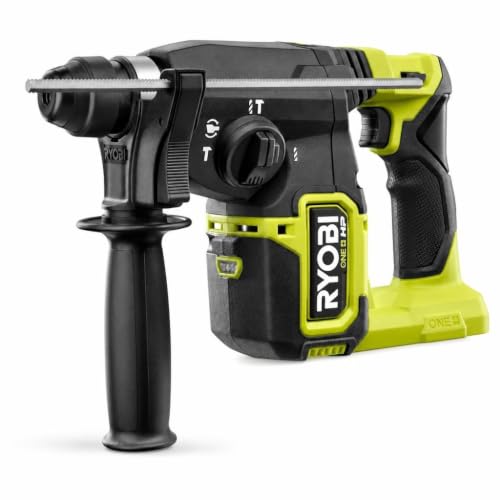
RYOBI 18V Brushless 1-Inch SDS-Plus Rotary Hammer
Best for: RYOBI battery owners needing lightweight masonry drilling
- Power Source
- 18V
- Chuck Size
- 1 in.
- Bit System
- SDS-Plus
- Motor Type
- Brushless
- Battery Included
- No (tool only)
- Weight
- 6.48 lbs.
View on Amazon: RYOBI 18V Brushless 1-Inch SDS-Plus Rotary Hammer Affiliate link
This RYOBI ONE+ HP tool is a cordless rotary hammer built for drilling and hammering. It uses an 18V brushless motor and accepts 1-inch SDS-Plus bits. The unit weighs 6.48 pounds and measures 12.7 inches long. It is sold as a bare tool without a battery. This setup suits users who already own RYOBI batteries and need a lightweight, efficient option for masonry work.
Pros
- Brushless motor for efficient power delivery
- Accepts 1-inch SDS-Plus bits
- Lightweight 6.48-pound design
- Compatible with existing 18V battery packs
Cons
- Sold as a bare tool without a battery
- Single voltage platform limits cross-brand compatibility
- Heavier than some competing 20V models
Good fit if
- You already own RYOBI 18V batteries
- You need a lightweight tool for overhead work
- You primarily drill into masonry or concrete
Skip if
- You need a complete kit with battery and charger
- You prefer a 20V MAX platform
- You require a tool-only option with higher voltage
Verdict: RYOBI 18V Brushless SDS-Plus Rotary Hammer fits users who already have RYOBI batteries and want a lighter, brushless option for masonry drilling. It is not suitable if you need a complete kit or prefer a 20V MAX system.
Specifications side by side
| Spec | DEWALT 20V MAX SDS Cordless Rotary Hammer | RYOBI 18V Brushless 1-Inch SDS-Plus Rotary Hammer |
|---|---|---|
| Power Source | Cordless, 20V MAX | 18V |
| Impact Energy | 2.1 Joules | not stated |
| Chuck Size | not stated | 1 in. |
| Bit System | SDS | SDS-Plus |
| Motor Type | Brushless | Brushless |
| Operating Modes | 3 modes: Drill, Hammer Drill, Chip | not stated |
| Battery Included | No (bare tool only) | No (tool only) |
| Weight | 6.4 pounds | 6.48 lbs. |
| Voltage | 20V | 18V |
| Included Tools | Drill Driver, Hammer Drill, Rotary Hammer | Drill Driver, Hammer Drill, Rotary Hammer |
| Bit Type | not stated | SDS-Plus |
| Dimensions | 13 × 4.2 × 8.6 inches | 12.7 × 9.09 × 4.45 inches |
| Size | One Size | not stated |
| Color | Multi | Black,green |
| Model | DCH273B | #P223 |
Frequently asked questions
Is the DEWALT rotary hammer sold with a battery?
No, the DEWALT DCH273B is a bare tool. It does not include a battery or charger in the box. You must already own a compatible 20V MAX battery to use it. This design suits professionals who already have DEWALT batteries in their collection. It keeps the initial purchase cost lower if you are already invested in the system.
Does the RYOBI rotary hammer come with a battery?
The RYOBI P223 is also sold as a bare tool. It does not include an 18V ONE+ battery or charger. You need a compatible RYOBI battery to operate this drill. This setup is ideal for users who already own RYOBI tools. It allows you to add a specialized rotary hammer without buying redundant power sources.
Which rotary hammer weighs less?
The DEWALT DCH273B weighs 6.4 pounds. The RYOBI P223 weighs 6.48 pounds. The DEWALT tool is slightly lighter by 0.08 pounds. This difference is minimal during actual use. Both tools are designed for comfortable handling during extended masonry work. You will not notice a significant fatigue difference between the two weights.
What type of bits do these tools accept?
Both tools use the SDS-Plus bit system. This interface allows for quick bit changes without a chuck key. It also provides better shock absorption during hammering. You can use any standard SDS-Plus masonry bit with either the DEWALT or RYOBI models. This compatibility ensures you can use bits you already own for concrete drilling.
Are both motors brushless?
Yes, both the DEWALT DCH273B and the RYOBI P223 feature brushless motors. Brushless motors offer longer life and increased power efficiency. They generate less heat and require less maintenance than brushed motors. You get more runtime per battery charge with either tool. This technology also provides better speed control for precise drilling tasks.
Can I use these tools with my existing batteries?
You can use them if you already own the respective brand batteries. The DEWALT model works with 20V MAX batteries. The RYOBI model works with 18V ONE+ batteries. Both are sold as bare tools, so no battery is included. Check your existing battery inventory before buying. This approach saves money if you are already committed to one brand's ecosystem.